CASE STUDY 02 / 03

Warqah Store

A live commerce platform where backend and infrastructure reliability protect orders, inventory, payments, shipping, and revenue.

System
Production commerce operations platform
Ownership
Backend & DevOps Owner
Technical difficulty
Queue-backed payment, inventory, and fulfillment consistency
Production proof
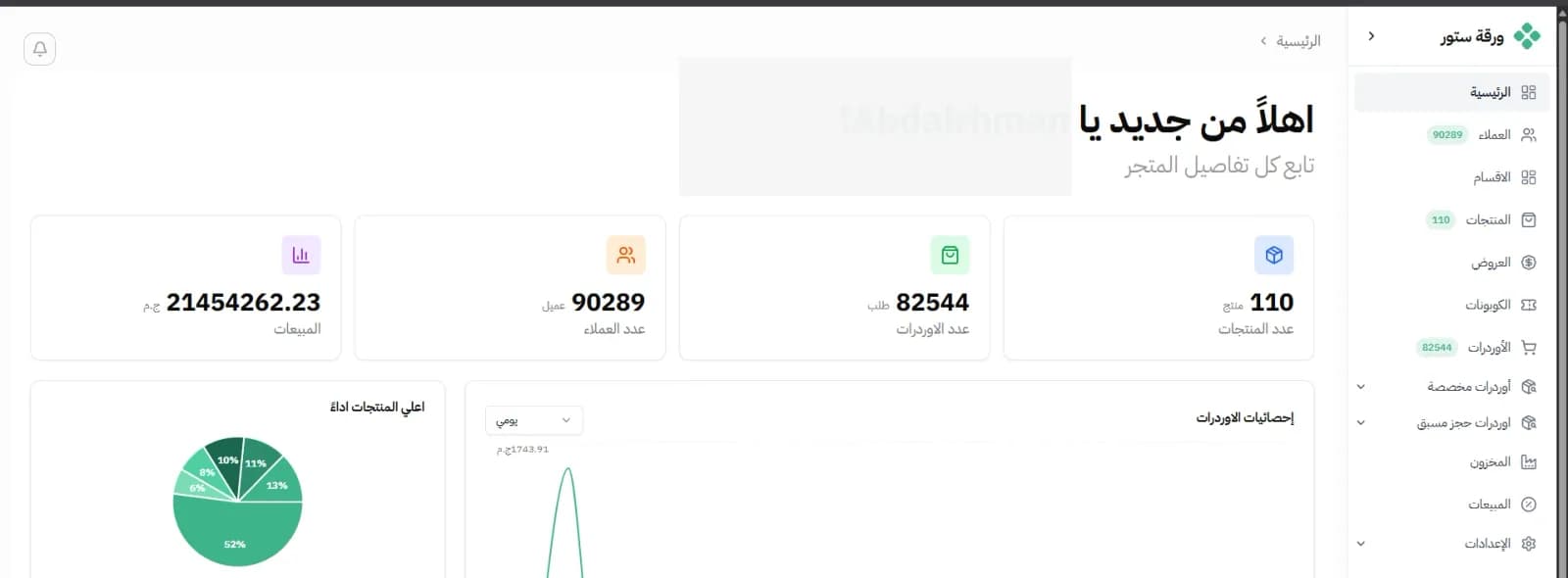
EGP 21M+ Sales · 100K+ Orders · 90K+ Customers
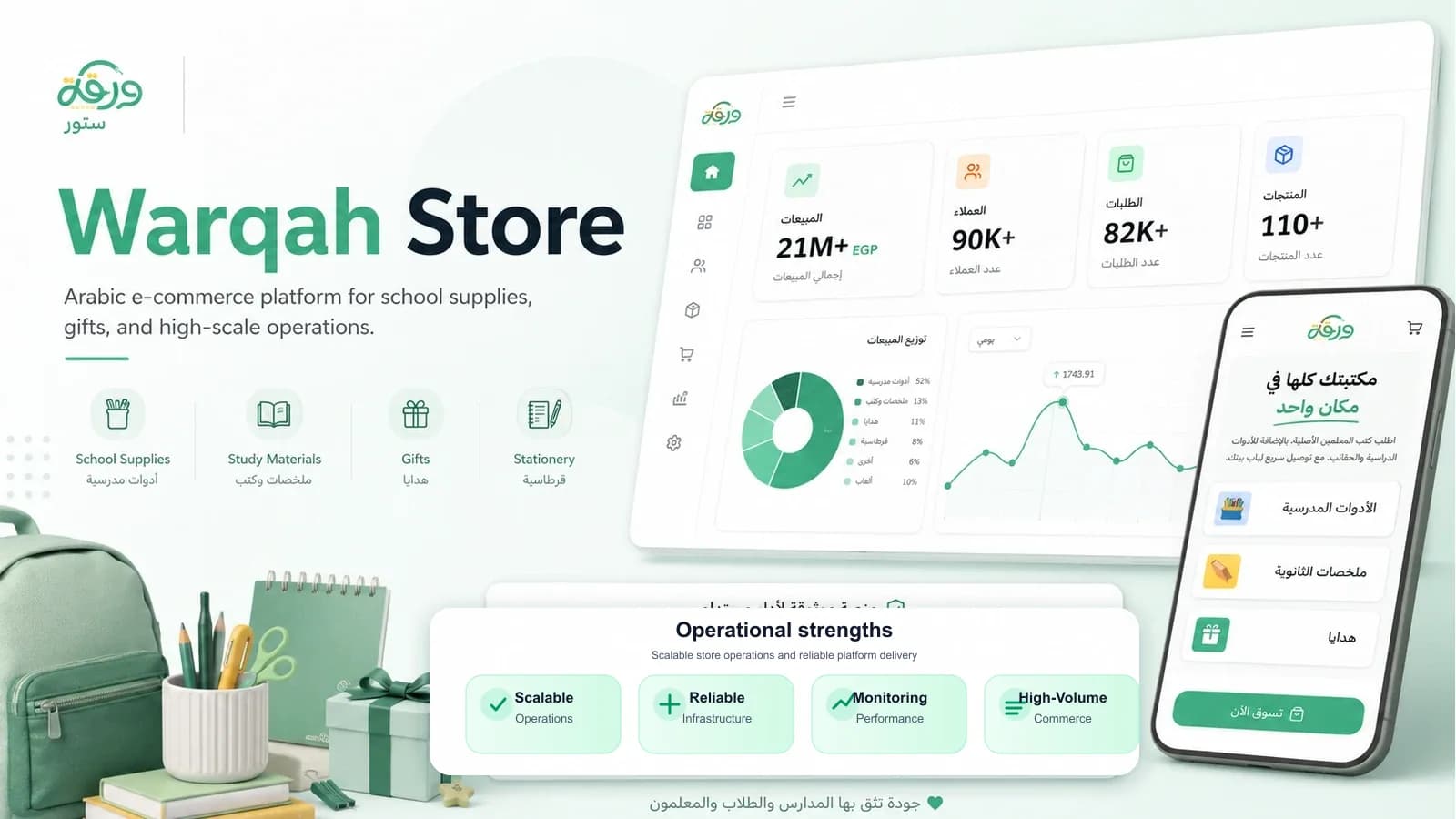
Warqah Store production commerce platform cover
A production commerce platform engineered to keep orders, inventory, payments, and shipping dependable through high-activity sales operations.

The operating context.

The platform needed production preparation before launch, then ongoing backend ownership as real commercial volume grew.

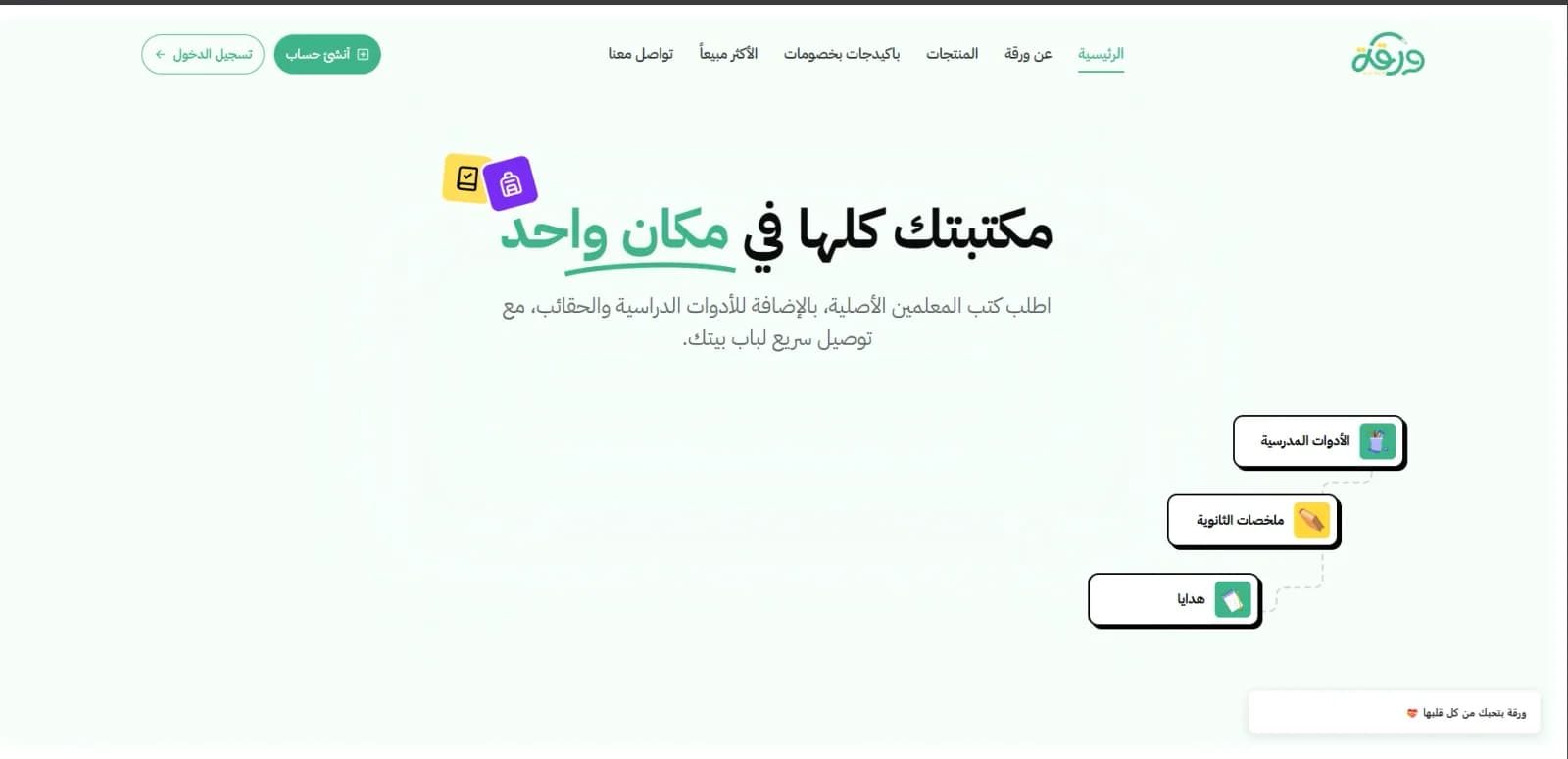
Warqah Store is a live commerce platform where backend reliability directly affects revenue, order integrity, stock accuracy, payment confirmation, shipping execution, and campaign operations. I joined the project before its public launch and took ownership of preparing the backend and infrastructure for production. This included reworking key queue-processing flows using Redis, configuring the production server, managing deployments and DevOps operations, and implementing the Bosta shipping and Fawaterk payment integrations. I continued owning the backend as the platform launched and grew through real commercial operations.
What I owned, explicitly.

Role
Backend & DevOps Owner
Ownership model
backend devops owner
Responsibility boundary
Queue-backed payment, inventory, and fulfillment consistency
Project status
live

What made the system difficult.

  • Order, inventory, payment, and fulfillment state move together during high-activity operations.
  • Shipping and payment depend on external Bosta and Fawaterk integrations.
  • Deployment and queue operations directly affect commercial continuity.

04 / SYSTEM DECISIONS

Boundaries chosen for a reason.

01

Rework queue-processing flows

Problem
Commercial operations cannot depend on every integration completing inline.
Boundary
Redis-backed processing separates background work from request handling.
Why it mattered
Payment, inventory, and fulfillment work can progress through controlled workers.
02

Own production infrastructure with the backend

Problem
Application correctness is insufficient when deployment and workers are unreliable.
Boundary
Server configuration, deployments, and DevOps remain in the same ownership boundary.
Why it mattered
Operational failures can be diagnosed and corrected across application and infrastructure layers.
03

Isolate external commerce integrations

Problem
Shipping and payment providers have independent request and failure lifecycles.
Boundary
Bosta and Fawaterk are implemented as explicit integration boundaries.
Why it mattered
Provider behavior does not become indistinguishable from internal order state.

Failure belongs in the architecture.

  1. Queue-backed processing prevents long-running integration work from blocking customer requests.
  2. Redis workers support recovery of background commerce operations.
  3. Payment and shipping integrations remain separate from internal order and inventory state.

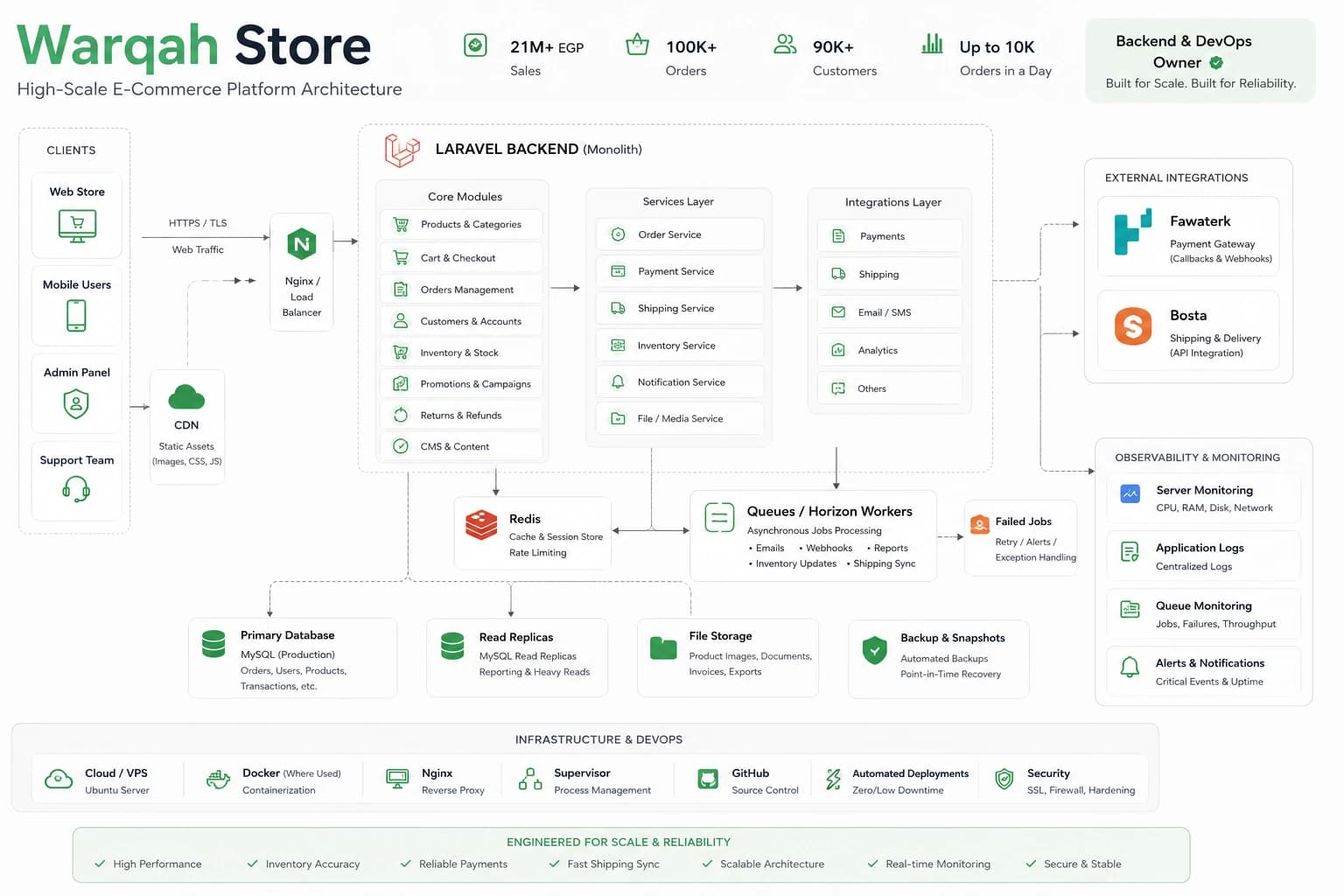
06 / SYSTEM ANATOMY

Read the boundaries before the components.

Warqah Store architecture overview
Public architecture overview of Warqah Store commerce, queue, payment, shipping, and operational boundaries.

07 / PRODUCTION EVIDENCE

Only the proof the public record supports.

EGP 21M+
Sales
100K+
Orders
90K+
Customers

The capability left behind.

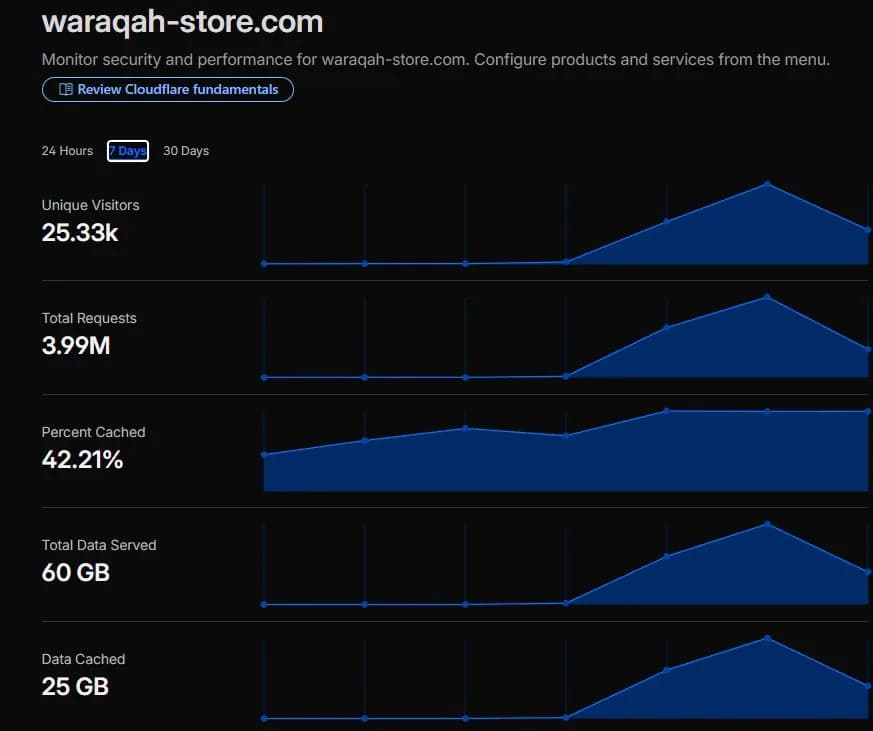
The backend launched and continued operating through verified sales, order, and customer volume without turning estimates into guarantees.

09 / TECHNICAL STACK

Technology with a job to do.

Laravel 12
Commerce rules, order state, inventory, and integration orchestration.
Laravel Sanctum
Authenticated application access.
Redis
Queue-backed commercial workflows.
Bosta API
Shipping execution boundary.
Fawaterk
Payment integration boundary.
Telescope
Supporting production technology.